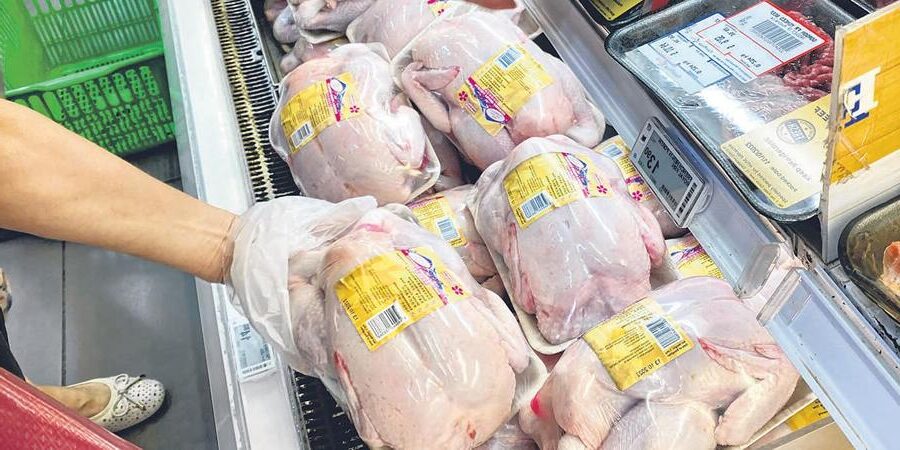
Frozen chicken products are widely used in international food supply chains, including wholesale distribution, food service, retail, and food manufacturing.
Chicken is available in different commercial cuts, processing forms, and packaging formats. These differences affect product selection, handling requirements, and suitability for particular food applications.
For international importers, distributors, and food manufacturers, understanding frozen chicken cuts, packaging methods, and quality characteristics is important when evaluating sourcing options.
This article explores common frozen chicken products, freezing methods, packaging considerations, product quality, and important factors for international buyers.
1. Understanding Frozen Chicken Products
Frozen chicken products are poultry products preserved through freezing and maintained under appropriate frozen storage conditions.
They may include whole chickens, bone-in cuts, boneless portions, and other poultry products.
The exact commercial specifications depend on the processor, product type, and intended market.
Freezing helps slow or prevent microbial growth while products remain properly frozen. However, freezing does not reliably eliminate harmful microorganisms.
Frozen raw chicken therefore still requires hygienic handling, safe thawing, and appropriate cooking.
The Canadian Food Inspection Agency provides technical guidance on poultry chilling and freezing procedures.
2. Common Frozen Chicken Cuts
Different chicken cuts have different physical characteristics and commercial applications.
Frozen Chicken Breast
Chicken breast is commonly available as bone-in or boneless portions.
Boneless skinless breast fillets are often selected for food manufacturing, portion-controlled meals, and food service applications.
Buyers should confirm the required size, trimming, skin condition, and acceptable defects.
Frozen Chicken Thighs
Chicken thighs contain dark meat and may be supplied with or without skin and bones.
They are commonly used in cooking, prepared food manufacturing, and food service.
Frozen Chicken Drumsticks
Drumsticks are the lower portions of chicken legs.
They are commonly supplied as bone-in, skin-on products, although additional processing options may be available.
Frozen Chicken Wings
Chicken wings may be supplied whole or separated into sections.
Common sections include drumettes, flats, and wing tips.
The required cutting style should be stated clearly in the product specifications.
Whole Frozen Chicken
Whole frozen chickens are another commercial product category.
Buyers should identify the required weight range, processing condition, packaging, and applicable inspection requirements.
3. Bone-In vs. Boneless Chicken Products
One important distinction is whether a chicken product contains bones.
Bone-in chicken products retain the relevant bones and may be preferred for particular culinary preparations.
Boneless chicken products undergo additional processing to remove bones.
Boneless products may offer convenience for certain food manufacturing and portioning applications.
However, buyers should not assume all boneless products have identical trimming standards.
Relevant specifications may include skin removal, cartilage, tendons, excess fat, and acceptable cutting defects.
Clear descriptions help reduce misunderstandings when comparing products from different suppliers.
4. Frozen Chicken Packaging Options
Packaging plays an important role in protecting frozen chicken products from contamination, moisture loss, physical damage, and unsuitable handling.
Different packaging systems may be used according to the product and intended distribution channel.
Polyethylene Bags
Food-grade plastic bags may be used for selected poultry products, sometimes within outer cartons.
Vacuum Packaging
Vacuum packaging removes air from a sealed package and may help limit exposure to oxygen and moisture loss.
However, it does not replace refrigeration, freezing, or food safety controls.
Bulk Cartons
Bulk packaging is commonly considered for wholesale and food manufacturing purchases.
An outer carton may contain one or several suitably protected inner packages.
Buyers should confirm net weight, packaging material, carton dimensions, and the intended number of units per carton.
5. IQF vs. Block Frozen Chicken
Frozen poultry products may be supplied using different freezing and presentation methods.
Individually Quick Frozen (IQF)
IQF generally refers to products frozen individually before final packing.
This arrangement can allow pieces to be removed separately when needed.
IQF products may be suitable for food service and processing applications requiring individually portioned pieces.
Block Frozen Products
Block-frozen products consist of pieces frozen together in a consolidated block or mass.
These products may be appropriate for particular bulk processing operations.
The most suitable method depends on how the product will be stored, thawed, portioned, and used.
Neither IQF nor block freezing automatically guarantees better food safety or overall quality.
6. Frozen Chicken Quality Characteristics
Frozen chicken quality involves several important characteristics.
Appearance and Color
Product appearance may vary according to the cut, skin condition, processing, and freezing history.
Excessive discoloration or other abnormal conditions should be evaluated against the agreed specification.
Physical Defects
Buyers may need to assess broken bones, bruising, remaining feathers, excessive trimming, and other unacceptable defects.
Freezer Burn
Freezer burn may develop when moisture is lost from the surface of frozen food.
It can affect appearance, texture, and eating quality.
Freezer burn is primarily a quality issue, although the product must still be evaluated for other food safety concerns.
Product Consistency
Commercial buyers may require consistent cut sizes, weight ranges, and processing characteristics.
The USDA Poultry Grading Standards provide useful reference information about poultry quality criteria.
However, grading systems and requirements vary by country.
7. Frozen Storage and Temperature Requirements
Temperature control is essential when storing frozen chicken products.
A widely recognized frozen storage reference temperature is −18°C (0°F) or below.
The actual temperature requirements depend on applicable regulations, product specifications, and commercial agreements.
Temperature fluctuations can negatively affect frozen product quality.
Proper packaging and suitable storage procedures help reduce moisture loss and physical damage.
International buyers should confirm storage temperature requirements, transportation arrangements, and available temperature monitoring records.
The FDA’s food storage guidance explains important principles of safe frozen food handling.
8. Food Safety and Product Documentation
Frozen chicken remains a raw animal product unless clearly identified as cooked or otherwise processed.
It must be handled according to appropriate food safety procedures.
Potential hazards include pathogenic microorganisms and contamination during processing or handling.
International buyers may need to verify:
- Product name and cut specification
- Processing establishment and applicable approvals
- Country of origin
- Product identification and lot numbers
- Freezing and storage requirements
- Packaging and labeling specifications
- Relevant inspection or health documentation
- Destination-market import eligibility
Required certificates and inspection conditions depend on the importing country and the particular product.
Buyers should confirm these requirements before establishing commercial arrangements.
9. Frozen Chicken Sourcing with YA Corporation
YA Corporation Co., Ltd. is a Thailand-based trading and sourcing company focusing primarily on international exports of food and agricultural products.
Chilled and frozen meat is one of the company’s seven product groups, alongside fresh fruits, fresh vegetables, nuts and seeds, spices and herb powders, seafood and aquatic products, and other products considered individually.
YA Corporation operates as a trading and sourcing company rather than manufacturing the products discussed in this article.
The company reviews buyer requirements, explores suitable sourcing options, and coordinates product and commercial information.
International exports remain the company’s primary business focus. Suitable import-related inquiries may also be considered according to product requirements and operational readiness.
All product cuts, processing establishments, packaging options, available quantities, documentation, and commercial conditions require supplier confirmation.
10. Contact YA Corporation Co., Ltd.
International importers, distributors, food service operators, and food manufacturers interested in frozen chicken products are welcome to submit product inquiries.
Please provide the required chicken cut, bone-in or boneless preference, skin condition, estimated quantity, packaging requirements, destination country, and any specific quality or documentation requirements.
Email : yacorporationthailand@gmail.com , info@yacorporationthailand.com
Website: https://yaglobalmeat.com/
Explore Our Meat and Poultry Website
All product availability, specifications, processing options, establishment approvals, quality documentation, inspection requirements, prices, packaging arrangements, and commercial terms are subject to supplier confirmation, applicable regulations, and mutual agreement.
Comments are closed